Drinks with a sense of place.
Browse local sake, shochu, craft beer, wine, tea, umeshu, and other local drinks by category and prefecture.
Tea
Traditional style or method
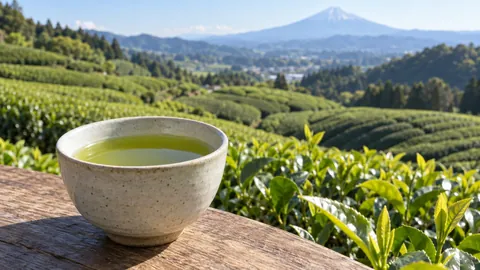
Fukamushi Kikugawa Tea
22 Shizuoka
Deep-steamed green tea from Shizuoka Prefecture, registered as a geographical indication (GI) by the Ministry of Agriculture, Forestry and Fisheries. Tea from Kikugawa and its surroundings was once considered strongly astringent, and research from around 1952 led to steaming the leaves for longer; the area is known as the birthplace of deep-steamed tea. The brewed tea is a deep yellow-green with a mellow taste, rich aroma, umami, and body.
Tea
Traditional style or method
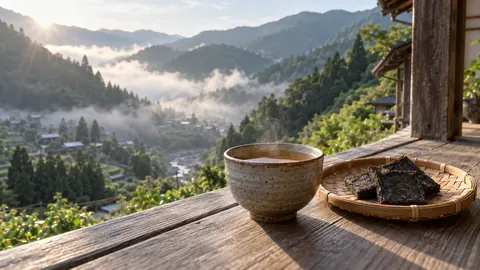
Goishi Tea
39 Kochi
A post-fermented tea from Otoyo, Kochi Prefecture, said to have been made for about 400 years. Steamed leaves are first fermented with mold, then pressed under weights like pickles; this two-stage fermentation builds lactic acid bacteria and gives a sweet-sour flavor and aroma. The name comes from the drying leaves looking like black go stones. In 2018 the Shikoku Mountains fermented tea techniques, including it, were chosen for documentation as intangible folk culture.
Tea
Regional drink culture
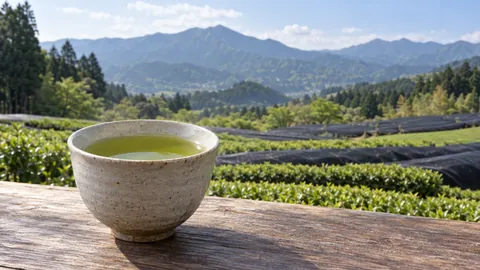
Ise Tea
24 Mie
The collective name for tea produced in Mie Prefecture. In the Hokusei area at the foot of the Suzuka Mountains, kabusecha shaded from direct sunlight before harvest is the main type, while the central and southern areas mainly make deep-steamed sencha. Records say tea was made at a temple in Yokkaichi in the Heian period, and Ise Province was a major tea region in the Edo period.
Tea
Traditional style or method
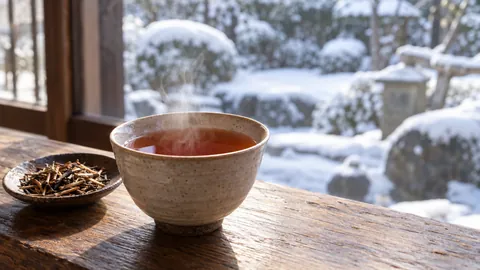
Kaga Bocha
17 Ishikawa
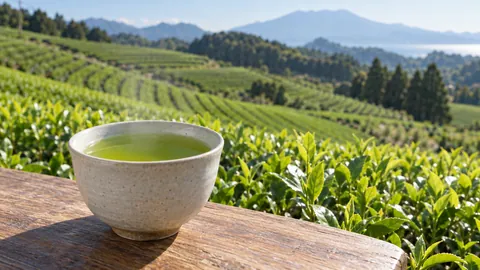
Roasted tea from Ishikawa Prefecture made by roasting high-quality tea stems. It has a toasty aroma and natural sweetness, and is grouped into light, medium, and deep roasts. The Kaga domain encouraged tea growing in the Edo period, and in 1902 a roasted stem tea sold in Kanazawa became popular; after the method was made public it spread across the prefecture.
Tea
Regional drink culture
Kagoshima Tea
46 Kagoshima
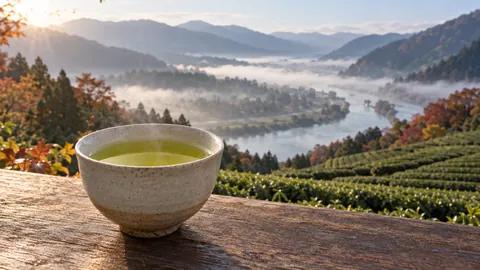
Tea produced in Kagoshima Prefecture. The warm climate lets growers raise early to late cultivars, giving a long picking season, and the new tea that starts at the end of March is known as hashiri shincha. The Satsuma domain encouraged tea growing in the Edo period. In the local dialect, chaippe is a hospitable phrase asking a guest to have a cup of tea, and chabushi is made by pouring green tea over bonito flakes and barley miso.
Tea
Regional drink culture
Nanbu Tea
19 Yamanashi
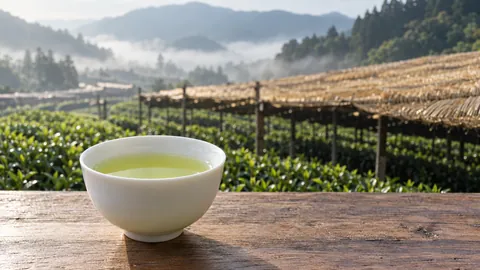
Tea grown in Nanbu, the southernmost town in Yamanashi Prefecture. The low elevation, mild climate, ample rain, and fog along the Fuji River are described as suited to tea. The Yabukita cultivar was introduced around 1955, and the leaves are steamed relatively lightly, giving a clean taste. Records suggest tea was already grown in the Kyonan area by the Muromachi period.
Tea
Traditional style or method
Traditional Authentic Yame Gyokuro
40 Fukuoka
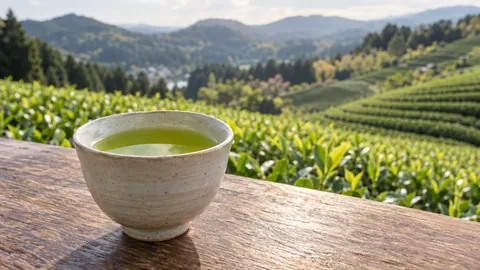
Gyokuro from Fukuoka Prefecture, registered as a geographical indication (GI) by the Ministry of Agriculture, Forestry and Fisheries. Before harvest the tea fields are shaded with natural materials such as rice straw, which strengthens the aroma known as ooika and gives a rich, mellow tea with strong umami. Morning fog from the day-night temperature difference, shelf shading, and hand-picking have been kept for more than 110 years.
Tea
Regional drink culture
Uji Tea
26 Kyoto
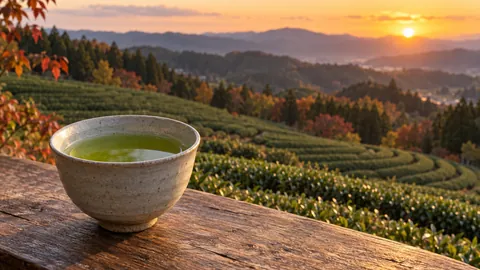
Tea from Kyoto’s Yamashiro region, where tea landscapes and culture shape the experience.
Tea
Regional drink culture
Yamato Tea
29 Nara
Tea grown at 200 to 500 meters in the cool highlands of Nara Prefecture, centered on the Yamato Plateau. Shaped by day-night temperature differences and plentiful water, it is known for a high aroma and deep flavor, and is made as sencha, kabusecha, tencha, and bancha. Tradition holds that it began in 806 when seeds brought from Tang China by Kukai and others were sown at a temple in Uda. Sun-dried bancha is also made in Oyodo.