Drinks with a sense of place.
Browse local sake, shochu, craft beer, wine, tea, umeshu, and other local drinks by category and prefecture.
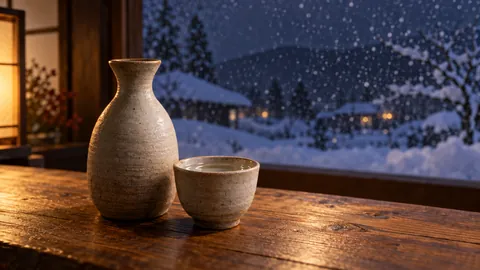
Sake
Regional drink culture
Aomori Sake
02 Aomori
Sake from Aomori Prefecture, protected by the geographical indication "Aomori". It is made from rice harvested and water drawn in the prefecture, and brewers use Aomori's severe winters for slow, low-temperature ginjo-style fermentation; the standard also mentions fresh flounder and scallop sashimi and vinegared sea cucumber as good matches.
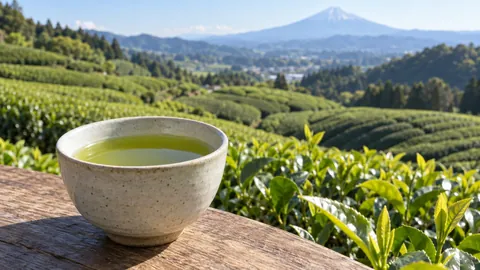
Tea
Traditional style or method
Fukamushi Kikugawa Tea
22 Shizuoka
Deep-steamed green tea from Shizuoka Prefecture, registered as a geographical indication (GI) by the Ministry of Agriculture, Forestry and Fisheries. Tea from Kikugawa and its surroundings was once considered strongly astringent, and research from around 1952 led to steaming the leaves for longer; the area is known as the birthplace of deep-steamed tea. The brewed tea is a deep yellow-green with a mellow taste, rich aroma, umami, and body.
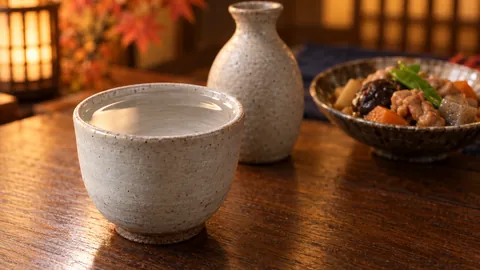
Sake
Regional drink culture
Fukuoka Sake
40 Fukuoka
Sake from Fukuoka Prefecture, protected by the geographical indication "Fukuoka". It is brewed with soft or moderately soft water drawn in the prefecture, using a method suited to soft water in which koji is carefully grown so the rice dissolves well; the standard describes it as complementing Fukuoka's sweet-savory dishes such as goma saba, mentaiko, motsunabe, and chikuzen-ni.
Tea
Traditional style or method
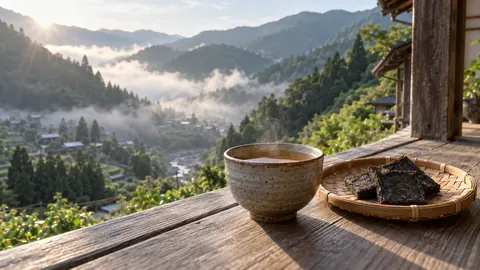
Goishi Tea
39 Kochi
A post-fermented tea from Otoyo, Kochi Prefecture, said to have been made for about 400 years. Steamed leaves are first fermented with mold, then pressed under weights like pickles; this two-stage fermentation builds lactic acid bacteria and gives a sweet-sour flavor and aroma. The name comes from the drying leaves looking like black go stones. In 2018 the Shikoku Mountains fermented tea techniques, including it, were chosen for documentation as intangible folk culture.
Sake
Regional drink culture
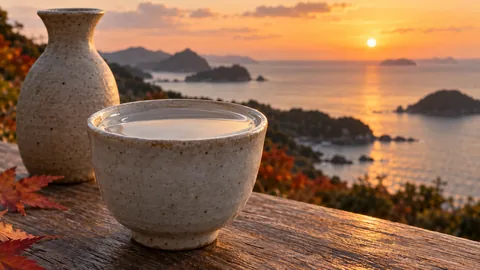
Hagi Sake
35 Yamaguchi
Sake from Hagi City and Abu Town in Yamaguchi, protected by the geographical indication "Hagi". It uses rice harvested in the area and soft water shaped by the local volcanic geology, carrying on techniques of the Otsu toji brewers.
Sake
Regional drink culture
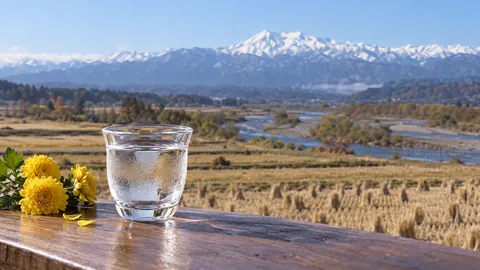
Hakusan Sake
17 Ishikawa
Sake from Hakusan City, Ishikawa, protected by the geographical indication "Hakusan". The area draws on groundwater from the Tedori River alluvial fan, fed by Mount Hakusan, and its sake carries the long tradition of kikuzake.
Sake
Regional drink culture
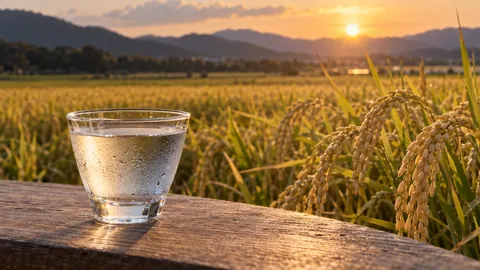
Harima Sake
28 Hyogo
Sake from the part of Hyogo west of the Akashi Strait and south of the Chugoku Mountains, protected by the geographical indication "Harima". It is made only from Yamada Nishiki rice harvested in Hyogo and water drawn in the area; the Nara-period Harima Fudoki records sake made with rice koji, and Yamada Nishiki was developed at Hyogo's sake rice experiment station in 1936.
Local drinks
Regional drink culture
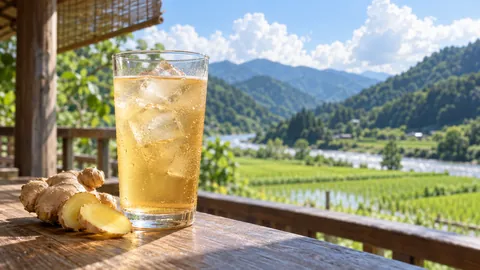
Hiyashiame
39 Kochi
A local drink from Kochi Prefecture made by cooking rice syrup, sugar, and ginger juice in a kettle into a syrup and diluting it with water. It has a fresh ginger note and is sometimes mixed with soda. In winter the syrup is diluted with hot water as ameyu. Hiyashiame was a popular summer drink in the Kansai region from the Edo period, and the use of Tosa ginger is said to be part of why it took root in Kochi.
Shochu
Traditional style or method
Iki Shochu
42 Nagasaki
Barley shochu from Iki City, Nagasaki, protected by the geographical indication "Iki". It is traditionally made from rice koji and barley at roughly 1:2 with water drawn on the island, and Iki is regarded as the birthplace of barley shochu.
Tea
Regional drink culture
Ise Tea
24 Mie
The collective name for tea produced in Mie Prefecture. In the Hokusei area at the foot of the Suzuka Mountains, kabusecha shaded from direct sunlight before harvest is the main type, while the central and southern areas mainly make deep-steamed sencha. Records say tea was made at a temple in Yokkaichi in the Heian period, and Ise Province was a major tea region in the Edo period.
Sake
Regional drink culture
Itami Sake
28 Hyogo
Sake from Itami City, Hyogo, protected by the geographical indication "Itami". It is brewed with local water from the Nagaoyama and Hokusetsu mountains, thought to become moderately hard as it passes through the area's strata, and is filtered with activated charcoal; Itami sake fetched high prices in Edo, and in 1743 the Konoe family is said to have granted each brewery a branding iron to set it apart from imitations.
Sake
Regional drink culture
Iwate Sake
03 Iwate
Sake from Iwate Prefecture, protected by the geographical indication "Iwate". It is supported by local groundwater, cold winters, and the Nanbu toji, described as Japan's largest group of master brewers; the standard also mentions the local dish hittsumi as a good match.
Tea
Traditional style or method
Kaga Bocha
17 Ishikawa
Roasted tea from Ishikawa Prefecture made by roasting high-quality tea stems. It has a toasty aroma and natural sweetness, and is grouped into light, medium, and deep roasts. The Kaga domain encouraged tea growing in the Edo period, and in 1902 a roasted stem tea sold in Kanazawa became popular; after the method was made public it spread across the prefecture.
Tea
Regional drink culture
Kagoshima Tea
46 Kagoshima
Tea produced in Kagoshima Prefecture. The warm climate lets growers raise early to late cultivars, giving a long picking season, and the new tea that starts at the end of March is known as hashiri shincha. The Satsuma domain encouraged tea growing in the Edo period. In the local dialect, chaippe is a hospitable phrase asking a guest to have a cup of tea, and chabushi is made by pouring green tea over bonito flakes and barley miso.
Sake
Regional drink culture
Kitakata Sake
07 Fukushima
Junmai sake from Kitakata City and Nishiaizu Town, Fukushima, protected by the geographical indication "Kitakata". It is made from rice harvested in the area and very soft groundwater fed by heavy snow in the northern Aizu Basin; local brewing is traced back to a brewery recorded in 1631, and the standard mentions asparagus and Yamato soba as good matches.
Wine
Regional drink culture
Koshu Wine
19 Yamanashi
Yamanashi wine to explore through vineyards, wineries, and local food.
Shochu
Traditional style or method
Kuma Shochu
43 Kumamoto
Rice shochu from Kuma District and Hitoyoshi City, Kumamoto, protected by the geographical indication "Kuma". It is made from domestic rice, rice koji, and local water in the Kuma Basin, which has cold winters and wide temperature swings despite its southern latitude.
Sake
Regional drink culture
Kyoto Sake
26 Kyoto
Sake from Kyoto Prefecture, protected by the geographical indication "Kyoto". It is brewed with water drawn in the prefecture, and harsh winters, with heavy snow in the north and the deep cold of the Kyoto Basin, support gentle fermentation; the imperial court had an office for sake brewing in the Heian period, and the standard describes a sake that complements dashi-based Kyoto cuisine.
Sake
Regional drink culture
Mie Sake
24 Mie
Sake from Mie Prefecture, protected by the geographical indication "Mie". It is brewed with water drawn in the prefecture, where dry, cold winter winds such as the Suzuka-oroshi blow over the mountains; brewing is said to have flourished to welcome pilgrims to Ise Shrine, and the standard describes a warm, mellow sake that suits lean seafood.
Local drinks
Traditional style or method
Miki
46 Kagoshima
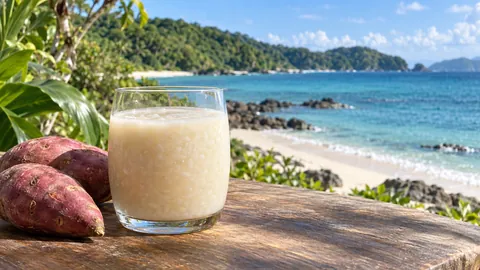
A lactic-fermented drink long handed down on Amami Oshima. It is made from rice flour, raw sweet potato, and sugar, and has a thick, porridge-like texture. Freshly made miki is sweet, and as fermentation continues it gains a yogurt-like sourness. The name is said to come from miki, sacred sake, and on Amami Oshima it has been made for the August harvest festival and village festivals on the ninth day of the ninth lunar month.
Sake
Regional drink culture
Minamiaizu Sake
07 Fukushima
Junmai sake from Minamiaizu Town, Fukushima, protected by the geographical indication "Minamiaizu". It is made from rice harvested and water drawn in the area, shaped by soft water from a region with more than 9 m of annual snowfall and by snow-covered breweries that keep temperatures steady; the standard notes it has long been enjoyed with dishes of salted mountain vegetables and mushrooms.
Sake
Regional drink culture
Nada Gogo Sake
28 Hyogo
Sake from Kobe's Nada and Higashinada wards, Ashiya, and Nishinomiya, protected by the geographical indication "Nada Gogo". Brewing developed here with cold winter winds off the Rokko mountains, groundwater such as miyamizu, and the skills of Tanba toji brewers.
Sake
Regional drink culture
Nagano Sake
20 Nagano
Sake from Nagano Prefecture, protected by the geographical indication "Nagano". It is made from rice harvested and polished in Nagano and water drawn in the prefecture; supported by rice grown in basins with wide day-night temperature swings and by clear mountain water, it is described as rich yet clean with a gentle aroma, suited to strongly seasoned dishes made with miso and pickles.
Wine
Regional drink culture
Nagano Wine
20 Nagano
Wine made from grapes harvested in Nagano, protected by the geographical indication "Nagano". Many vineyards sit above 500 m in a cool highland climate with many sunny days and well-drained alluvial fans, and areas such as Kikyogahara in Shiojiri have grown grapes since the Meiji era.
Tea
Regional drink culture
Nanbu Tea
19 Yamanashi
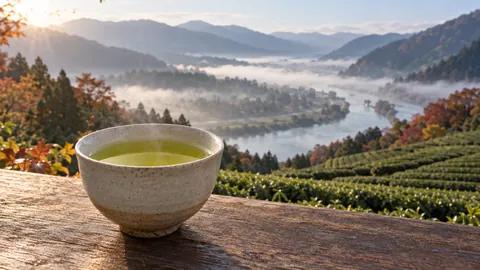
Tea grown in Nanbu, the southernmost town in Yamanashi Prefecture. The low elevation, mild climate, ample rain, and fog along the Fuji River are described as suited to tea. The Yabukita cultivar was introduced around 1955, and the leaves are steamed relatively lightly, giving a clean taste. Records suggest tea was already grown in the Kyonan area by the Muromachi period.
Sake
Regional drink culture
Niigata Sake
15 Niigata
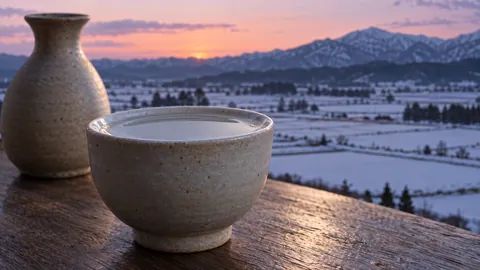
An introduction to local sake shaped by Niigata rice, water, and brewery craft.

Craft beer
Producer or product example
Okhotsk Beer
01 Hokkaido
A Kitami craft beer to discover alongside the food and landscape of eastern Hokkaido.
Wine
Regional drink culture
Osaka Wine
27 Osaka
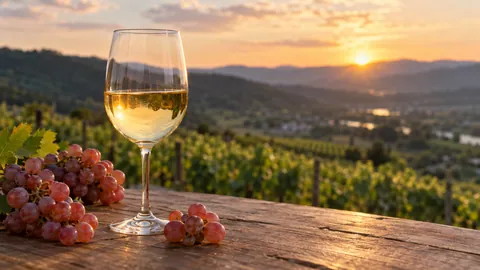
Wine made from grapes harvested in Osaka, protected by the geographical indication "Osaka". It grew out of the table-grape orchards of the Kawachi area, such as Habikino and Kashiwara, and centers on table varieties like Delaware.
Shochu
Traditional style or method
Ryukyu Awamori
47 Okinawa
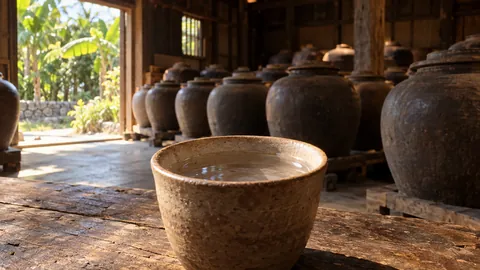
Okinawa's distilled spirit protected by the geographical indication "Ryukyu". It is made entirely from rice koji grown with black koji mold, and awamori stored for three years or more is called kusu (aged awamori).
Local drinks
Regional drink culture
Ryukyu Moromisu
47 Okinawa
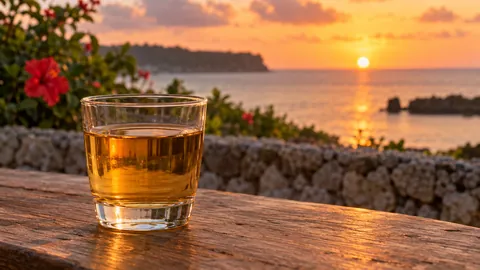
A drink from Okinawa Prefecture, registered as a geographical indication (GI) by the Ministry of Agriculture, Forestry and Fisheries. It is a still, amber drink made from the moromi lees of Ryukyu awamori. Its main acid is citric acid, so it is tart without the sharp smell of acetic vinegar. The lees come from awamori brewed with black koji by the all-koji method (zen-koji shikomi), which leaves them rich in citric acid.
Sake
Regional drink culture
Saga Sake
41 Saga
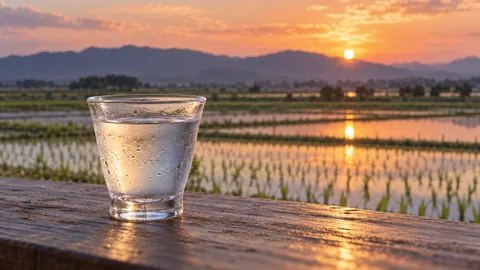
Sake brewed in Saga Prefecture with water drawn in the prefecture, protected by the geographical indication "Saga". Set against the Saga Plain, one of Kyushu's major rice-growing areas, brewing is said to have flourished after the Saga domain lord Nabeshima Naomasa encouraged it in the late Edo period.
Shochu
Regional drink culture
Satsuma Shochu
46 Kagoshima
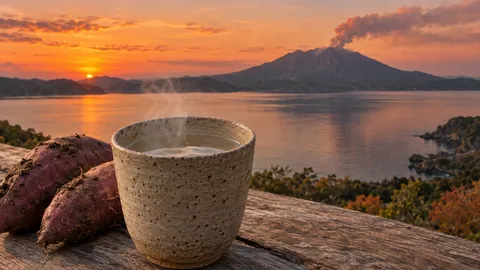
A Kagoshima spirit shaped by sweet potatoes, water, and local distilling craft.
Sake
Regional drink culture
Shiga Sake
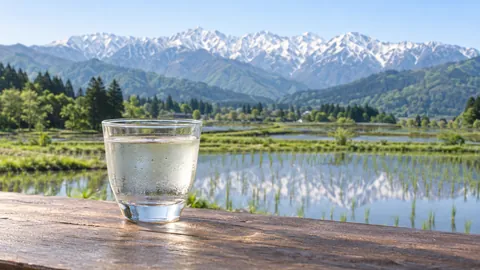
25 Shiga
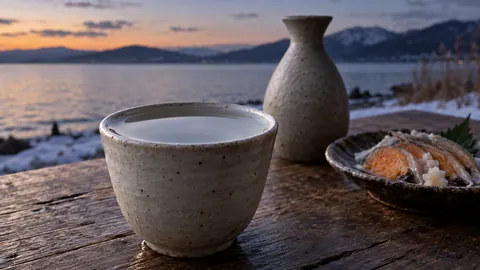
Sake from Shiga Prefecture, protected by the geographical indication "Shiga". It is made from rice harvested and water drawn in the prefecture, using only polished rice, rice koji, and water. Groundwater from the mountains around Lake Biwa nurtures good rice, and the sake ferments gently in the basin's cold winters; it is described as having a full sweetness and umami from rice, and the standard mentions funazushi alongside sake among Shiga's fermented specialties.
Sake
Regional drink culture
Shinano Omachi Sake
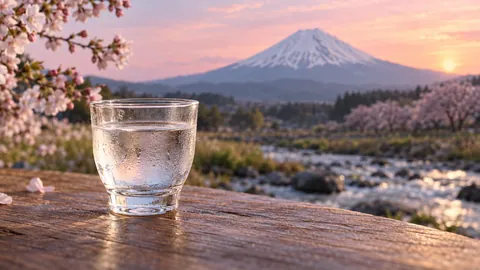
20 Nagano
Sake from Omachi City and Matsukawa Village, Nagano, protected by the geographical indication "Shinano Omachi". It uses rice such as Miyamanishiki and Hitogokochi from designated paddies in the area and local water fed mainly by Northern Alps snowmelt; all rice is steamed in a koshiki, and koji is handled in batches of 100 kg or less from the mori stage onward. The standard mentions wild greens such as taranome and koshiabura as good matches.
Sake
Regional drink culture
Shizuoka Sake
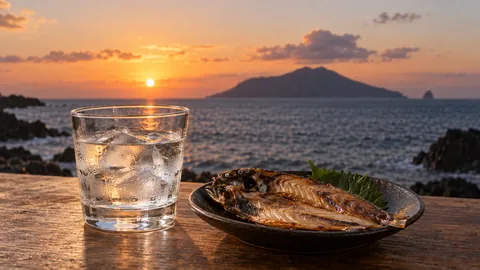
22 Shizuoka
Sake from Shizuoka Prefecture, protected by the geographical indication "Shizuoka". It is brewed with water drawn in the prefecture and Shizuoka yeast developed jointly by the prefecture and the Shizuoka sake brewers' cooperative. The groundwater and springs fed by Mt. Fuji and other mountains are generally soft, which the standard links to a light sake with gentle umami; it also mentions fresh bonito and tuna sashimi and raw whitebait as good matches.
Shochu
Traditional style or method
Tokyo Shimazake
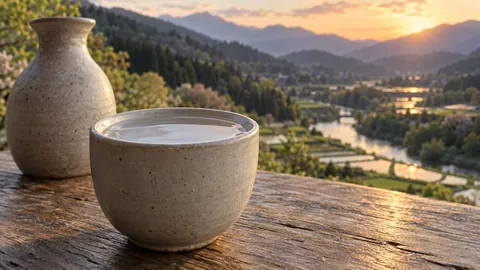
13 Tokyo
Honkaku shochu from the Izu Islands of Tokyo, protected by the geographical indication "Tokyo Shimazake". Its sweet potato, barley, and blended types all use barley koji, and island shochu making is said to date from techniques taught by an Edo-period exile.
Sake
Regional drink culture
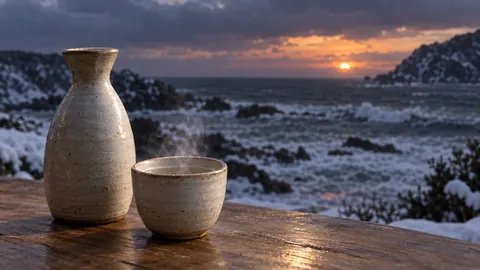
Tone-Numata Sake
10 Gunma
Sake from the Tone-Numata area of northern Gunma, protected by the geographical indication "Tone-Numata". It uses rice such as Gohyakumangoku and Koshihikari harvested in the area, plentiful river and groundwater that passes through the bed of the ancient Lake Numata, and Gunma yeasts or house yeast; the standard mentions local wild greens such as butterbur buds and taranome as good matches.
Sake
Regional drink culture
Tottori Sake
31 Tottori
Junmai sake from Tottori Prefecture, protected by the geographical indication "Tottori". It is made from rice harvested and water drawn in the prefecture, with rice steamed in a koshiki and koji rice making up at least 20 percent; many are said to taste best warmed, and the standard mentions umami-rich dishes such as Matsuba snow crab as good matches.
Tea
Traditional style or method
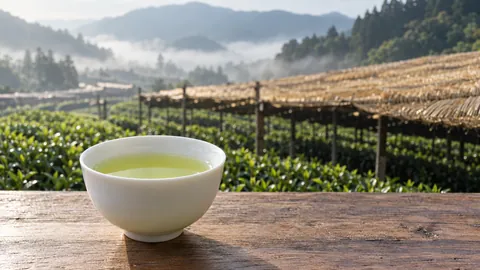
Traditional Authentic Yame Gyokuro
40 Fukuoka
Gyokuro from Fukuoka Prefecture, registered as a geographical indication (GI) by the Ministry of Agriculture, Forestry and Fisheries. Before harvest the tea fields are shaded with natural materials such as rice straw, which strengthens the aroma known as ooika and gives a rich, mellow tea with strong umami. Morning fog from the day-night temperature difference, shelf shading, and hand-picking have been kept for more than 110 years.
Tea
Regional drink culture
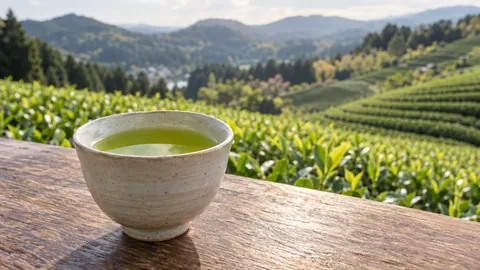
Uji Tea
26 Kyoto
Tea from Kyoto’s Yamashiro region, where tea landscapes and culture shape the experience.
Umeshu and liqueur
Regional drink culture
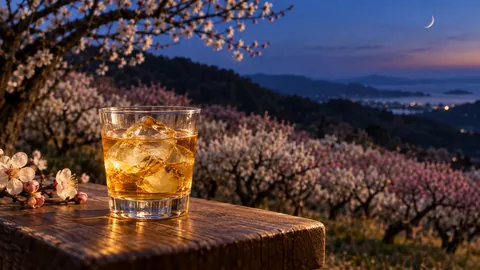
Wakayama Umeshu
30 Wakayama
Umeshu from Wakayama Prefecture, protected by the geographical indication "Wakayama Umeshu". Only fresh green or ripe ume harvested in the prefecture are used; they are steeped in liquor in the prefecture for at least 90 days, and storage and bottling also take place there. The standard says sake brewers began making umeshu from ume harvested in their off-season as demand for umeboshi fell, and umeshu making grew across the prefecture.
Wine
Regional drink culture
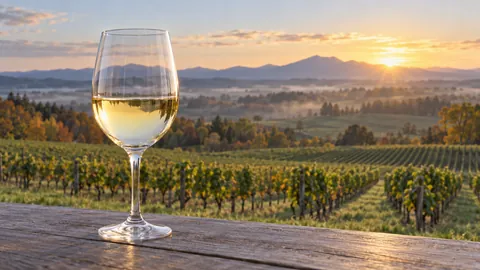
Wine from Hokkaido
01 Hokkaido
Wine made only from grapes harvested in Hokkaido, protected by the geographical indication "Hokkaido". The main growing areas, such as Yoichi, Iwamizawa, Furano, and Ikeda, are cooler than Japan's other grape regions, with long sunshine hours and wide daily temperature swings in the growing season.
Sake
Regional drink culture
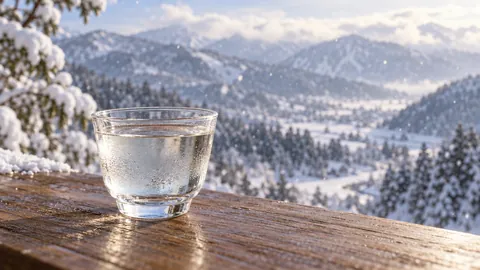
Yamagata Sake
06 Yamagata
Sake from Yamagata Prefecture, protected by the geographical indication "Yamagata". It is brewed with clear, soft, iron-poor water drawn in the prefecture and fed by heavy winter snow, and the severe winters suit long, low-temperature ginjo-style fermentation; the standard describes it as soft with a clear character.
Wine
Regional drink culture
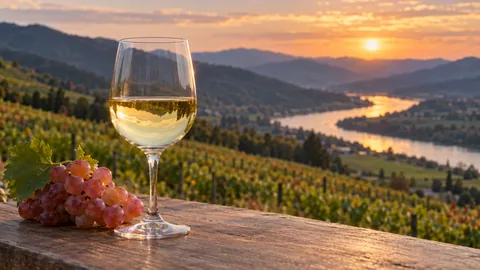
Yamagata Wine
06 Yamagata
Wine made from grapes harvested in Yamagata, protected by the geographical indication "Yamagata". Grapes grow on well-drained slopes in the Mogami River basin, in a region whose vineyards expanded with Delaware grape growing.
Sake
Regional drink culture
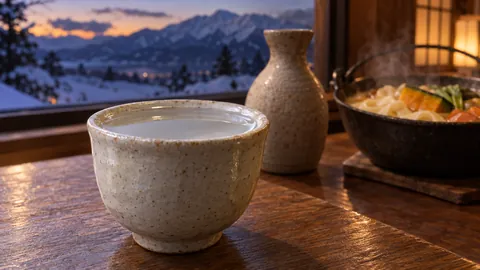
Yamanashi Sake
19 Yamanashi
Sake from Yamanashi Prefecture, protected by the geographical indication "Yamanashi". It is brewed with soft water drawn in the prefecture from designated water systems at the foot of the Southern Alps, Yatsugatake, Chichibu, and the Fuji and Misaka mountains, and ferments gently in the cold winters; in this landlocked region it has long been drunk with salted and dried foods and miso dishes, and the standard describes a soft taste that suits salty food.
Tea
Regional drink culture
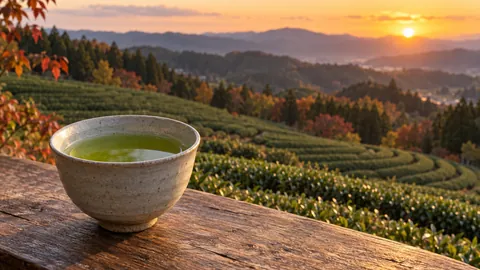
Yamato Tea
29 Nara
Tea grown at 200 to 500 meters in the cool highlands of Nara Prefecture, centered on the Yamato Plateau. Shaped by day-night temperature differences and plentiful water, it is known for a high aroma and deep flavor, and is made as sencha, kabusecha, tencha, and bancha. Tradition holds that it began in 806 when seeds brought from Tang China by Kukai and others were sown at a temple in Uda. Sun-dried bancha is also made in Oyodo.