Drinks with a sense of place.
Browse local sake, shochu, craft beer, wine, tea, umeshu, and other local drinks by category and prefecture.
Sake
Regional drink culture
Aomori Sake
02 Aomori
Sake from Aomori Prefecture, protected by the geographical indication "Aomori". It is made from rice harvested and water drawn in the prefecture, and brewers use Aomori's severe winters for slow, low-temperature ginjo-style fermentation; the standard also mentions fresh flounder and scallop sashimi and vinegared sea cucumber as good matches.
Sake
Regional drink culture
Fukuoka Sake
40 Fukuoka
Sake from Fukuoka Prefecture, protected by the geographical indication "Fukuoka". It is brewed with soft or moderately soft water drawn in the prefecture, using a method suited to soft water in which koji is carefully grown so the rice dissolves well; the standard describes it as complementing Fukuoka's sweet-savory dishes such as goma saba, mentaiko, motsunabe, and chikuzen-ni.
Sake
Regional drink culture
Hagi Sake
35 Yamaguchi
Sake from Hagi City and Abu Town in Yamaguchi, protected by the geographical indication "Hagi". It uses rice harvested in the area and soft water shaped by the local volcanic geology, carrying on techniques of the Otsu toji brewers.
Sake
Regional drink culture
Hakusan Sake
17 Ishikawa
Sake from Hakusan City, Ishikawa, protected by the geographical indication "Hakusan". The area draws on groundwater from the Tedori River alluvial fan, fed by Mount Hakusan, and its sake carries the long tradition of kikuzake.
Sake
Regional drink culture
Harima Sake
28 Hyogo
Sake from the part of Hyogo west of the Akashi Strait and south of the Chugoku Mountains, protected by the geographical indication "Harima". It is made only from Yamada Nishiki rice harvested in Hyogo and water drawn in the area; the Nara-period Harima Fudoki records sake made with rice koji, and Yamada Nishiki was developed at Hyogo's sake rice experiment station in 1936.
Sake
Regional drink culture
Itami Sake
28 Hyogo
Sake from Itami City, Hyogo, protected by the geographical indication "Itami". It is brewed with local water from the Nagaoyama and Hokusetsu mountains, thought to become moderately hard as it passes through the area's strata, and is filtered with activated charcoal; Itami sake fetched high prices in Edo, and in 1743 the Konoe family is said to have granted each brewery a branding iron to set it apart from imitations.
Sake
Regional drink culture
Iwate Sake
03 Iwate
Sake from Iwate Prefecture, protected by the geographical indication "Iwate". It is supported by local groundwater, cold winters, and the Nanbu toji, described as Japan's largest group of master brewers; the standard also mentions the local dish hittsumi as a good match.
Sake
Regional drink culture
Kitakata Sake
07 Fukushima
Junmai sake from Kitakata City and Nishiaizu Town, Fukushima, protected by the geographical indication "Kitakata". It is made from rice harvested in the area and very soft groundwater fed by heavy snow in the northern Aizu Basin; local brewing is traced back to a brewery recorded in 1631, and the standard mentions asparagus and Yamato soba as good matches.
Sake
Regional drink culture
Kyoto Sake
26 Kyoto
Sake from Kyoto Prefecture, protected by the geographical indication "Kyoto". It is brewed with water drawn in the prefecture, and harsh winters, with heavy snow in the north and the deep cold of the Kyoto Basin, support gentle fermentation; the imperial court had an office for sake brewing in the Heian period, and the standard describes a sake that complements dashi-based Kyoto cuisine.
Sake
Regional drink culture
Mie Sake
24 Mie
Sake from Mie Prefecture, protected by the geographical indication "Mie". It is brewed with water drawn in the prefecture, where dry, cold winter winds such as the Suzuka-oroshi blow over the mountains; brewing is said to have flourished to welcome pilgrims to Ise Shrine, and the standard describes a warm, mellow sake that suits lean seafood.
Sake
Regional drink culture
Minamiaizu Sake
07 Fukushima
Junmai sake from Minamiaizu Town, Fukushima, protected by the geographical indication "Minamiaizu". It is made from rice harvested and water drawn in the area, shaped by soft water from a region with more than 9 m of annual snowfall and by snow-covered breweries that keep temperatures steady; the standard notes it has long been enjoyed with dishes of salted mountain vegetables and mushrooms.
Sake
Regional drink culture
Nada Gogo Sake
28 Hyogo
Sake from Kobe's Nada and Higashinada wards, Ashiya, and Nishinomiya, protected by the geographical indication "Nada Gogo". Brewing developed here with cold winter winds off the Rokko mountains, groundwater such as miyamizu, and the skills of Tanba toji brewers.
Sake
Regional drink culture
Nagano Sake
20 Nagano
Sake from Nagano Prefecture, protected by the geographical indication "Nagano". It is made from rice harvested and polished in Nagano and water drawn in the prefecture; supported by rice grown in basins with wide day-night temperature swings and by clear mountain water, it is described as rich yet clean with a gentle aroma, suited to strongly seasoned dishes made with miso and pickles.
Sake
Regional drink culture
Niigata Sake
15 Niigata
An introduction to local sake shaped by Niigata rice, water, and brewery craft.
Sake
Regional drink culture
Saga Sake
41 Saga
Sake brewed in Saga Prefecture with water drawn in the prefecture, protected by the geographical indication "Saga". Set against the Saga Plain, one of Kyushu's major rice-growing areas, brewing is said to have flourished after the Saga domain lord Nabeshima Naomasa encouraged it in the late Edo period.
Sake
Regional drink culture
Shiga Sake
25 Shiga
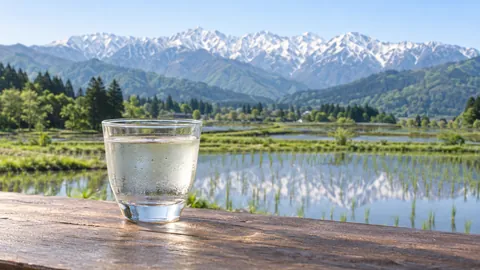
Sake from Shiga Prefecture, protected by the geographical indication "Shiga". It is made from rice harvested and water drawn in the prefecture, using only polished rice, rice koji, and water. Groundwater from the mountains around Lake Biwa nurtures good rice, and the sake ferments gently in the basin's cold winters; it is described as having a full sweetness and umami from rice, and the standard mentions funazushi alongside sake among Shiga's fermented specialties.
Sake
Regional drink culture
Shinano Omachi Sake
20 Nagano
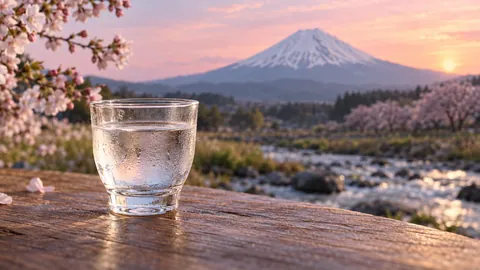
Sake from Omachi City and Matsukawa Village, Nagano, protected by the geographical indication "Shinano Omachi". It uses rice such as Miyamanishiki and Hitogokochi from designated paddies in the area and local water fed mainly by Northern Alps snowmelt; all rice is steamed in a koshiki, and koji is handled in batches of 100 kg or less from the mori stage onward. The standard mentions wild greens such as taranome and koshiabura as good matches.
Sake
Regional drink culture
Shizuoka Sake
22 Shizuoka
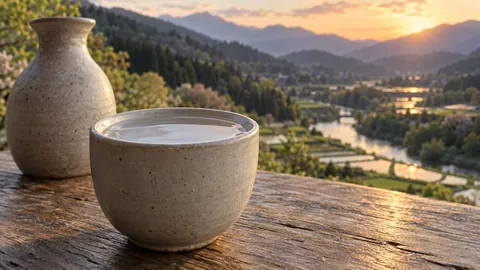
Sake from Shizuoka Prefecture, protected by the geographical indication "Shizuoka". It is brewed with water drawn in the prefecture and Shizuoka yeast developed jointly by the prefecture and the Shizuoka sake brewers' cooperative. The groundwater and springs fed by Mt. Fuji and other mountains are generally soft, which the standard links to a light sake with gentle umami; it also mentions fresh bonito and tuna sashimi and raw whitebait as good matches.
Sake
Regional drink culture
Tone-Numata Sake
10 Gunma
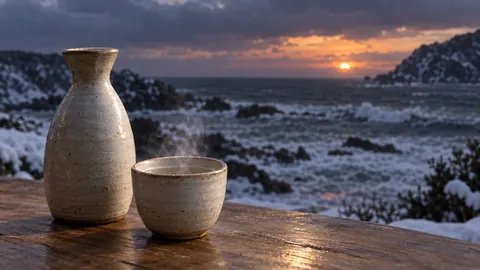
Sake from the Tone-Numata area of northern Gunma, protected by the geographical indication "Tone-Numata". It uses rice such as Gohyakumangoku and Koshihikari harvested in the area, plentiful river and groundwater that passes through the bed of the ancient Lake Numata, and Gunma yeasts or house yeast; the standard mentions local wild greens such as butterbur buds and taranome as good matches.
Sake
Regional drink culture
Tottori Sake
31 Tottori
Junmai sake from Tottori Prefecture, protected by the geographical indication "Tottori". It is made from rice harvested and water drawn in the prefecture, with rice steamed in a koshiki and koji rice making up at least 20 percent; many are said to taste best warmed, and the standard mentions umami-rich dishes such as Matsuba snow crab as good matches.
Sake
Regional drink culture
Yamagata Sake
06 Yamagata
Sake from Yamagata Prefecture, protected by the geographical indication "Yamagata". It is brewed with clear, soft, iron-poor water drawn in the prefecture and fed by heavy winter snow, and the severe winters suit long, low-temperature ginjo-style fermentation; the standard describes it as soft with a clear character.
Sake
Regional drink culture
Yamanashi Sake
19 Yamanashi
Sake from Yamanashi Prefecture, protected by the geographical indication "Yamanashi". It is brewed with soft water drawn in the prefecture from designated water systems at the foot of the Southern Alps, Yatsugatake, Chichibu, and the Fuji and Misaka mountains, and ferments gently in the cold winters; in this landlocked region it has long been drunk with salted and dried foods and miso dishes, and the standard describes a soft taste that suits salty food.